
Are DRM Free Rights A Violation Of People’s Freedom Of Speech And Expression?
DRM stands for digital rights management, and it is a method used to protect the many digital files on the Internet from possible copyright theft. With the huge number of images, audio, and video files on the web that continues to multiply each day, the danger of unauthorized downloading of copyrighted material is rife. DRM is one way to protect these files from copyright theft.
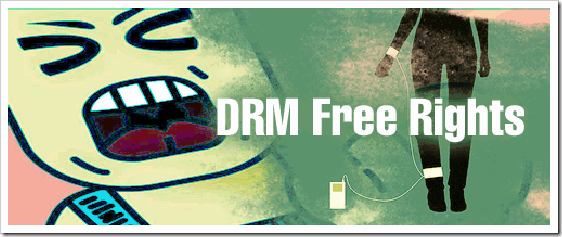
However, DRM can also be misused. People who have paid to have a copy of a certain file, like an e-book for instance, and who would like to print out their own hard copy for easier access will find that they are unable to because of the DRM protection that prevents them from doing so. It is almost like purchasing something that one cannot use, which is one of the disadvantageous characteristics of DRM.
Another example is when anyone who has made a home movie of a family occasion, such as a birthday party, would like to put in some background music to accompany the video. This person will be prevented from using popular songs or even a theme from a television show because of DRM, in effect curtailing freedom of expression due to copyright limitations.
This conflict between DRM and freedom of communication is very clear. For fear of losing profit due to illegal copying, big media companies have seriously restricted the copying of almost all forms of electronic communication that involves images, audio and video.
Some DRM naysayers say abusing this copyright law violates the First Amendment on freedom of speech and expression. While this is not catastrophic in the extreme, clearly the proponents of DRM will need to find a way around this conflict.
You can follow any responses to this entry through the RSS 2.0 feed. You can leave a response, or trackbackfrom your own site.
Subscribe to our FREE Rss FeedSome Similar Interesting Posts
- Do You Wants to Digitally Freed?
- Are you breaking Indian IT Act?
- Fax Machine Not Required But Can Send Fax To Anywhere
- Free Browser Based Screen Recorder
- Top 15 Greatest Website Giving Free Mobile Phone Access
- Happy Independence Day
- 20 Common Mistakes To Avoid By Any Internet Surfers
- Kick-Ass Greatest TOP Rated Featured List
- The reality of Tibet Unfolds
- FileShareHQ Send, Upload, Share Files (1GB Space Free)
- Top 15 Greatest Website Builder for creating your own website
- Free premium download for Rapidshare and Megaupload files
- Webmaster guidelines for better search rankings and to avoid Google ban
- 12 green ideas for celebrating the Earth Hour Day
- Top 10 mistakes of Google
September 14th, 2009 at 9:47 pm
They are a violation of the 1st ammendment.
People need to get used to that.
September 14th, 2009 at 9:51 pm
People may used to but most of the web, open source evangelists and internet savvy use to curse it !
June 28th, 2009 at 8:33 pm
Let me edit that article: DRM stands for digital restrictions mandates, and it is a method used to futilely "protect" the many digital files on the Internet from inevitable copyright infringement. With the huge number of images, audio, and video files on the web that continues to multiply each day, the possibility of unauthorized downloading of copyrighted material is rife. DRM is one futile way to "prevent" these files from copyright infringement . However, DRM is misused. People who have paid to have a copy of a certain file, like an e-book for instance, and who would like to print their own hard copy for easier access find that they are unable to because of the DRM that prevents them from doing so. It is almost like purchasing something that one cannot use, which is one of the disadvantageous characteristics of DRM. Another example is when anyone who has made a home movie of a family occasion, such as a birthday party, would like to put in some background music to accompany the video. This person is prevented from using popular songs or even a theme from a television show because of DRM, in effect curtailing freedom of expression due to copyright limitations. This conflict between DRM and freedom of communication is very clear. In an attempt to lock customers into proprietary formats and prevent innovation, big media companies have tried to restrict the copying of almost all forms of electronic communication that involves images, audio and video without much success. No DRM naysayers say abusing this copyright law violates the First Amendment on freedom of speech and expression. What it does do is violate the customers’ rights to fair use, while DRM does nothing to "protect" anything. Producers of contents already have rights; it’s called copyright. DRM is about control and money; such as collecting a license fee for every DVD player that is manufactured.
This comment was originally posted on Reddit